
Citrus Pulp CAS: 94266-47-4
Atradius expects global chemical production to grow by only about 0.6% in 2026, with continued geopolitical conflict potentially resulting in a 1.7% contraction. Procurement teams should prepare for tighter supply conditions, changing pricing dynamics and increased sourcing risks.
Fermentation-based marine ingredients such as algal DHA, astaxanthin and beta-glucan offer food manufacturers a more resilient supply chain during periods of global shipping disruption. Procurement teams should understand why production geography matters as much as ingredient performance.
Chinese amino acid producers (L-lysine, L-threonine, taurine, L-methionine, choline chloride) serve global nutraceutical
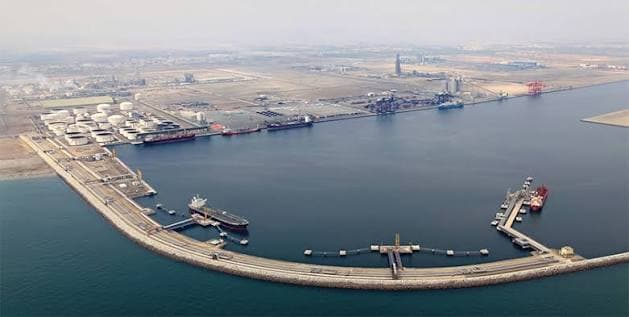
Port of Sohar enters a critical operational phase as recovering Gulf shipping collides with stranded-vessel backlog clearance. While regional logistics continue improving, berth congestion at Oman's primary chemical hub may become the next bottleneck affecting Gulf chemical supply chains.
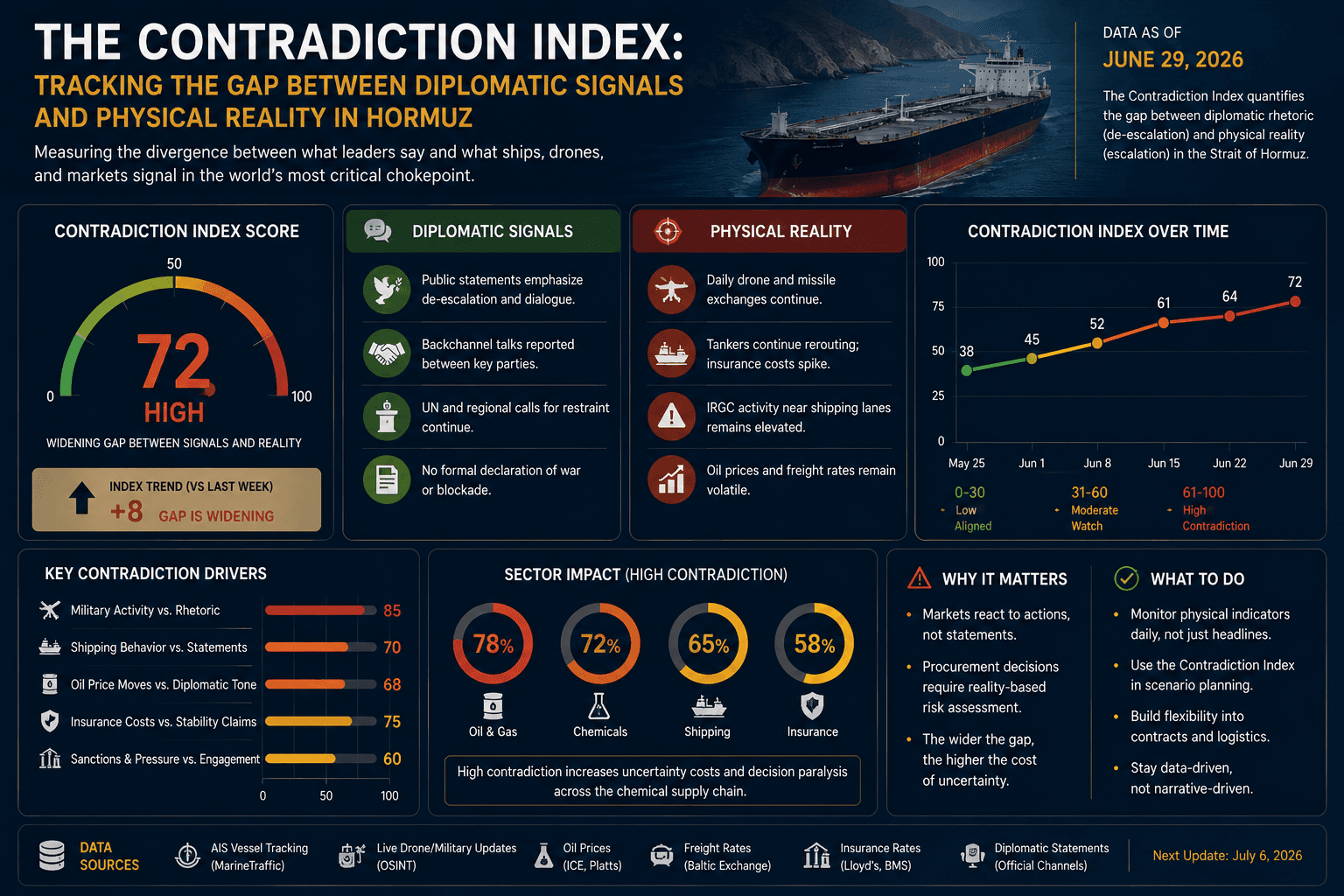
July 1 reveals the biggest contradiction of the Hormuz crisis so far: diplomacy suggests progress, but physical shipping data shows continued disruption. For chemical procurement professionals, understanding the gap between political signals and operational reality has become essential for making correct supply chain decisions.

The upcoming VCI Q2 2026 report underscores a sharp decline in German chemical production, driven by soaring feedstock costs and weak domestic demand. Naphtha‑based downstream plants are hit hardest, while export disruptions to Asia and the Gulf further strain utilization rates. For buyers, the data offers critical insight into supplier stability and pricing dynamics across Europe.
We're committed to your privacy. Tradeasia uses the information you provide to us to contact you about our relevant content, products, and services. For more information, check out our privacy policy.