
Related Insights

Natural Gas Price Stability Gives Chemical Companies a Stronger Baseline for Emissions Compliance Planning
A steady Henry Hub natural gas forecast provides chemical manufacturers with a more predictable foundation for emissions compliance cost modeling. Stable energy prices improve budgeting, regulatory planning and long-term investment decisions.

The EU Green Deal's Chemical Strategy for Sustainability: What Has Been Retained and What Has Changed
The EU's Chemicals Strategy for Sustainability remains an important foundation for chemical regulation, but implementation has evolved alongside newer competitiveness initiatives. Here's what procurement professionals should understand for compliance planning in the second half of 2026.

India Fertilizer Duty Decision: Six Days to the June 30 Deadline
India’s fertilizer duty exemption expires June 30 with no confirmed extension in sight. Importers should maximize duty-free volumes now, as policy uncertainty and fragile Gulf supply recovery could sharply raise fertilizer procurement costs in Q3 2026.

EU Microplastics Regulation 2026: Reformulation Pressure on Cosmetics and Coatings
The upcoming EU microplastics regulation, effective July 2026, will compel cosmetics and coatings manufacturers to eliminate polymer microbeads and switch to compliant alternatives. This article explores the regulatory backdrop, the challenges faced by supply chains, and practical reformulation strategies such as biodegradable microspheres, encapsulated fragrance systems, and silica‑based additives.

TSCA Week 1 Post-Expiry Assessment: Chemical Companies Face Longer EPA Review Timelines
With the TSCA fee authority ending on June 22, chemical firms must brace for extended EPA review periods under the OPPT framework. This post outlines what companies can expect in the next 12 months and highlights key compliance steps before the 2026 TSCA reauthorization debate.
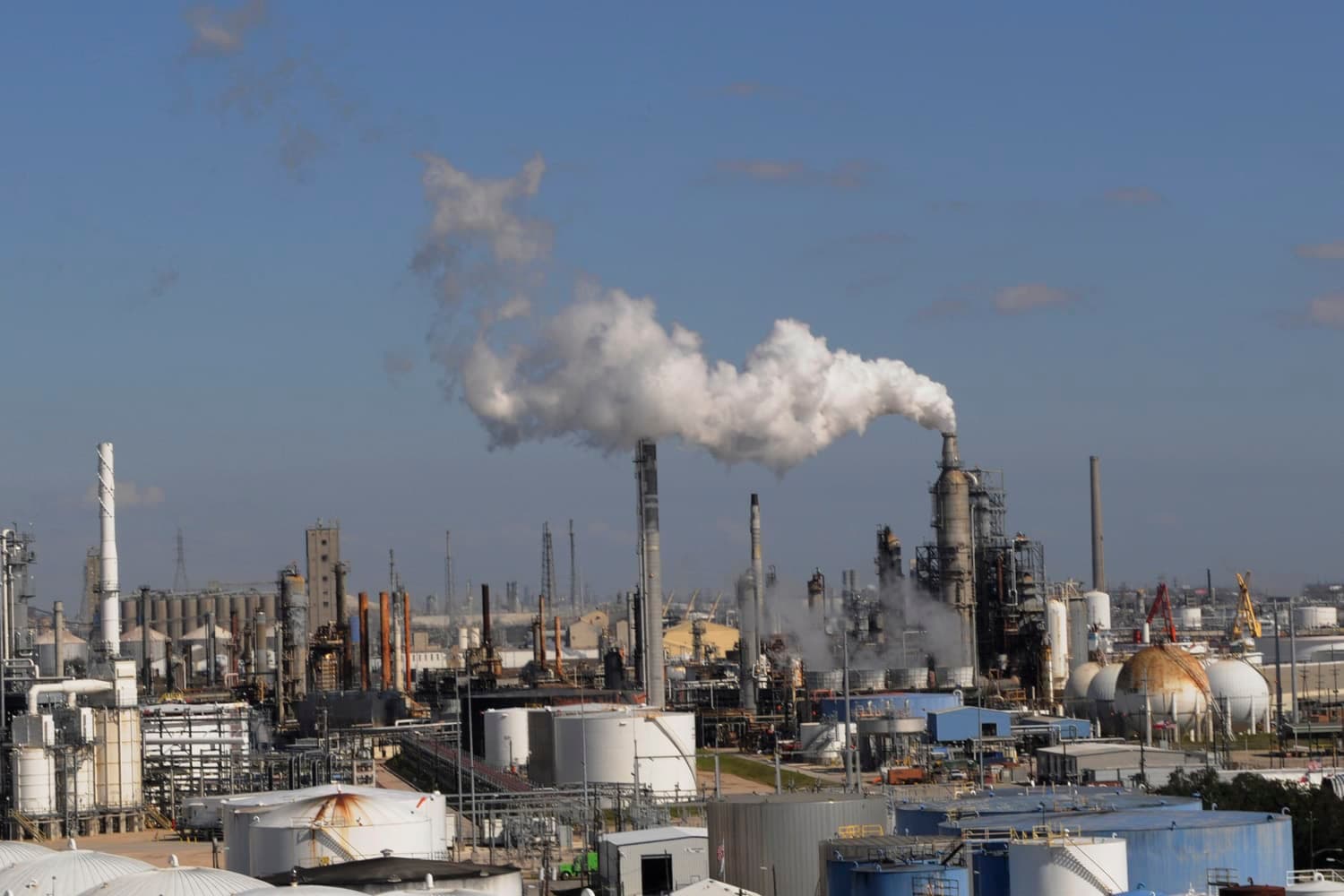
CBAM 2026: What Chemical Exporters Need to Know
The EU’s Carbon Border Adjustment Mechanism (CBAM) went live on 1 January 2026, imposing a carbon tax on imports of certain goods. While chemicals are not yet fully covered, the mechanism is set to expand to organic chemicals and polymers by 2030, affecting ethylene, methanol and PVC. Exporters must begin calculating cradle‑to‑gate CO₂ now and secure CBAM certificates to stay compliant. This article explains the current scope, the phased‑in pricing, and practical steps for chemical exporters.
Don't miss out on our updates! Subscribe to our newsletter now
We're committed to your privacy. Tradeasia uses the information you provide to us to contact you about our relevant content, products, and services. For more information, check out our privacy policy.