Citric Acid Price Cycle: China's Dominance Meets Global Demand Recovery in June 2026
Introduction
Citric acid remains one of the most widely used organic acids in the global food and beverage industry, serving as an acidulant, preservative, flavor enhancer, and pH regulator in thousands of products. From carbonated beverages and confectionery to pharmaceuticals and personal care formulations, citric acid is a cornerstone ingredient across multiple industries.
In June 2026, the citric acid market presents an interesting contrast: production fundamentals remain relatively stable, yet delivered prices in several importing regions are rising. The primary reason is not a shortage of citric acid itself, but higher freight costs and recovering global demand. As China continues to dominate global production, buyers are increasingly focused on logistics costs, inventory management, and regional demand trends heading into the second half of the year.
China's Dominant Position in the Global Market
China accounts for approximately 70% of global citric acid production, making it the most influential player in international pricing and supply availability.
The country's dominance is supported by:
Large-scale fermentation capacity
Competitive corn-based feedstock supply
Integrated manufacturing infrastructure
Strong export-oriented production networks
Established logistics channels serving global markets
Because of this concentration, changes in Chinese production costs, export activity, or freight conditions often influence citric acid pricing worldwide.
How Citric Acid Is Produced
Commercial citric acid is primarily manufactured through fermentation.
Production Process
The process typically involves:
Fermentation of carbohydrate feedstocks such as:
Corn starch
Glucose syrup
Sugar
Microbial conversion using Aspergillus niger
Purification and crystallization
Production of:
Anhydrous citric acid
Monohydrate citric acid
Feedstock availability and energy costs remain important production variables, but in 2026 these factors have remained relatively stable compared to logistics costs.

Hormuz Crisis: Limited Production Impact
Unlike petrochemical products heavily dependent on Middle Eastern feedstocks, citric acid production has experienced minimal direct disruption from the Hormuz-related supply crisis.
Key reasons include:
Fermentation-based manufacturing
Reliance on agricultural feedstocks rather than crude oil derivatives
Strong domestic Chinese raw material availability
As a result, Chinese production rates have remained largely stable throughout the first half of 2026.
Freight Costs Become the Main Market Driver
Although production has remained steady, international buyers have faced rising delivered costs.

What Happened?
The broader container shipping market experienced significant freight inflation, particularly on routes connecting Asia with:
Europe
The Middle East
Mediterranean markets
Consequently:
Chinese domestic citric acid prices remained relatively stable
Export FOB pricing changed little
Delivered CFR and CIF prices increased substantially
For European buyers, delivered citric acid prices reportedly increased by approximately 12–18% during Q2 2026, largely due to transportation costs rather than manufacturing cost inflation.
Demand Recovery in Food and Beverage Markets
The food and beverage sector remains the largest consumer of citric acid globally.
Major applications include:
Beverages
Soft drinks
Energy drinks
Juice products
Flavored water
Food Products
Confectionery
Processed foods
Sauces and dressings
Bakery applications
Functional Roles
Acidity regulation
Flavor enhancement
Preservation
Chelation
Demand recovery across many consumer markets has helped support purchasing activity despite higher delivered costs.
Consumer Price Sensitivity Creates Resistance
While demand is improving, food manufacturers remain cautious.
Challenges include:
Inflation-sensitive consumers
Competitive retail pricing pressure
Limited ability to pass through ingredient cost increases
As a result, many buyers are:
Purchasing more conservatively
Managing inventories carefully
Avoiding large speculative purchases
Negotiating shorter-term supply contracts
This behavior is preventing stronger upward pressure on global citric acid prices despite freight increases.
India's Position in the Market
India remains an important citric acid consumption market, particularly for:
Beverage manufacturing
Food processing
Pharmaceutical production
A favorable factor for Indian manufacturers has been continued access to key feedstock inputs such as:
Corn starch
Sugar-based raw materials
Lower import duties and stable agricultural input availability have helped improve competitiveness in downstream food manufacturing.
What Indian Buyers Are Watching
The key question for Q3 2026 is demand strength.
Manufacturers are closely monitoring:
Beverage consumption trends
Seasonal food demand
Consumer spending patterns
Inventory levels across distribution channels
Strong demand could support additional procurement activity later in the year.
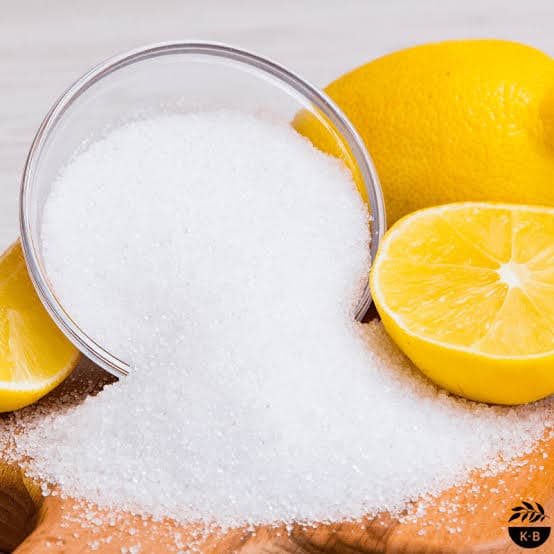
Citric Acid Monohydrate (E330) CAS: 5949-29-1
Citric Acid Anhydrous (E330) CAS: 77-92-9
Pharmaceutical and Personal Care Demand
Although smaller than food and beverage applications, citric acid remains important in:
Pharmaceuticals
Effervescent tablets
Oral solutions
Buffer systems
Personal Care
Skin care formulations
Hair care products
pH adjustment applications
These sectors continue to provide stable baseline demand regardless of short-term food market fluctuations.
Supply Chain Considerations for Buyers
Procurement teams are increasingly focused on logistics rather than production risks.
Key considerations include:
Freight Volatility
Container costs remain a significant uncertainty.
Inventory Management
Many buyers are maintaining moderate inventories rather than building large stocks.
Supplier Diversification
Importers continue exploring multiple sourcing channels to reduce logistics exposure.
Contract Flexibility
Shorter-term purchasing agreements remain common amid uncertain freight markets.

Market Outlook for Q3 2026
Several factors are expected to shape the citric acid market during the coming quarter:
Bullish Factors
Recovering food and beverage demand
Elevated freight costs
Stable global consumption growth
Bearish Factors
Consumer price sensitivity
Stable Chinese production
Adequate global supply availability
Overall, the market appears balanced, with logistics costs rather than production constraints likely to remain the primary influence on delivered pricing.
Key Takeaways
China produces approximately 70% of global citric acid supply and remains the dominant market influence.
The Hormuz crisis has had little direct impact on citric acid production.
Rising container freight rates have increased delivered prices to Europe and the Middle East.
European buyers experienced delivered price increases of roughly 12–18% during Q2 2026.
Food and beverage applications remain the largest demand driver.
Consumer price sensitivity is limiting aggressive cost pass-through.
Indian food manufacturers are monitoring Q3 demand trends closely.
Logistics costs, rather than production disruptions, are currently driving market dynamics.