
Related Insights

Algal Oil and Marine Bio-Based Ingredients: A Hormuz-Independent Supply Strategy for Food Ingredient Buyers
Fermentation-based marine ingredients such as algal DHA, astaxanthin and beta-glucan offer food manufacturers a more resilient supply chain during periods of global shipping disruption. Procurement teams should understand why production geography matters as much as ingredient performance.
ISO 14001 Environmental Management Systems: What Supplier Certification Means for Procurement
ISO 14001 certification is widely used as a supplier qualification requirement across the chemical industry. Understanding what the standard confirms, and what it does not, helps procurement professionals make stronger supplier assessments.

Geopolitical Intelligence: Shielding Chemical Buyers from Market Volatility
In campanha for chemical procurement, real‑time geopolitical intelligence outpaces traditional weekly updates, protecting margins against volatile energy policies. By tracking policy shifts instantly, buyers secure stable pricing and smarter purchasing decisions. This article explains why legacy reports fail in today’s fast‑moving supply chain.
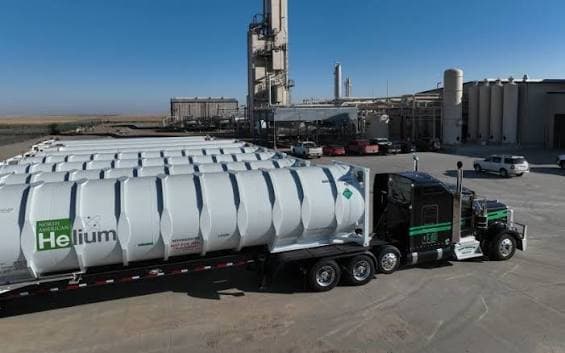
Helium: Qatar's LNG Halt and the Forgotten Supply Chain
The 2026 Hormuz crisis created one of the most overlooked commodity disruptions in global markets: helium. Damage to Qatar’s Ras Laffan LNG infrastructure reduced helium production capacity, creating a structural supply shortage that may persist for years even as shipping conditions across Hormuz begin improving.
GLP-1 Peptide Manufacturing: TFA Supply Tightness After Solvay's European Closure
Trifluoroacetic acid has become a strategic procurement priority for GLP-1 peptide manufacturing following Solvay's European production closure. Pharmaceutical buyers should reassess sourcing strategies as Indian CDMO demand accelerates faster than supply growth.
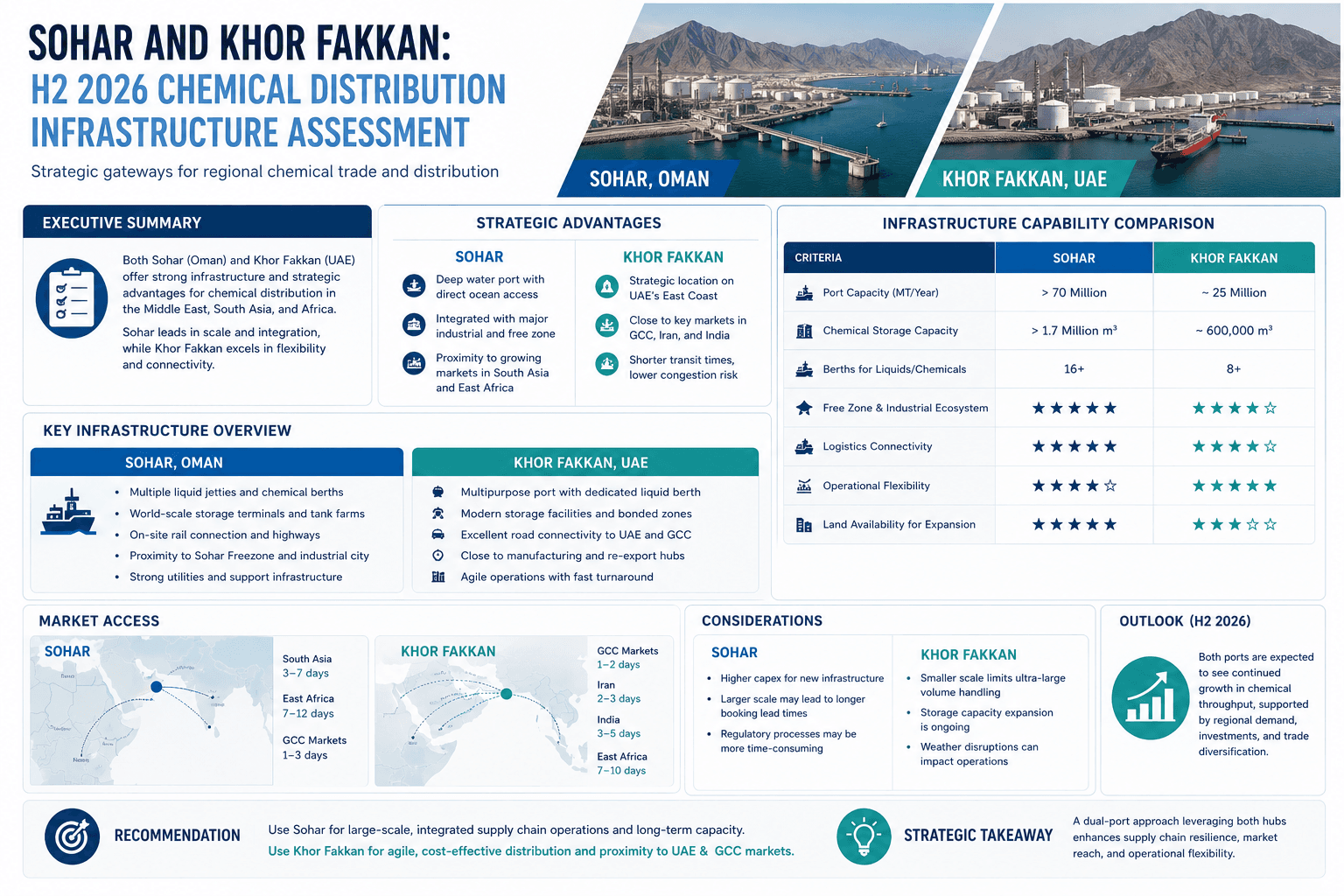
Sohar and Khor Fakkan: H2 2026 Chemical Distribution Infrastructure Assessment
Sohar and Khor Fakkan have emerged as permanent Gulf chemical distribution hubs after the Hormuz crisis disrupted traditional routes. Chemical buyers should now verify exactly where supplier cargo loads, as port selection directly affects insurance costs, lead times, and shipment risk.
Don't miss out on our updates! Subscribe to our newsletter now
We're committed to your privacy. Tradeasia uses the information you provide to us to contact you about our relevant content, products, and services. For more information, check out our privacy policy.