
Borax Decahydrate (Technical Grade) - Argentina CAS: 1303-96-4
Borax Decahydrate (Technical Grade) - Argentina CAS: 1303-96-4

Trade disruptions across the Middle East have accelerated a major shift in global polymer sourcing. This analysis explains how new trade routes are influencing procurement strategies, regional suppliers and long-term purchasing decisions for chemical buyers.

In early 2026 the global chemical market saw a dramatic price spike during the Hormuz crisis, only to reverse course by April even before shipping lanes fully reopened. This article dissects the panic‑driven surge, the factors that triggered the drop, and the procurement intelligence lessons that can help buyers mitigate volatility.

Doha Talks Today has become a key market signal for chemical buyers watching Gulf trade routes, energy flows and supply stability. This venue shift may influence procurement decisions as traders assess risks across major chemical exporting regions.
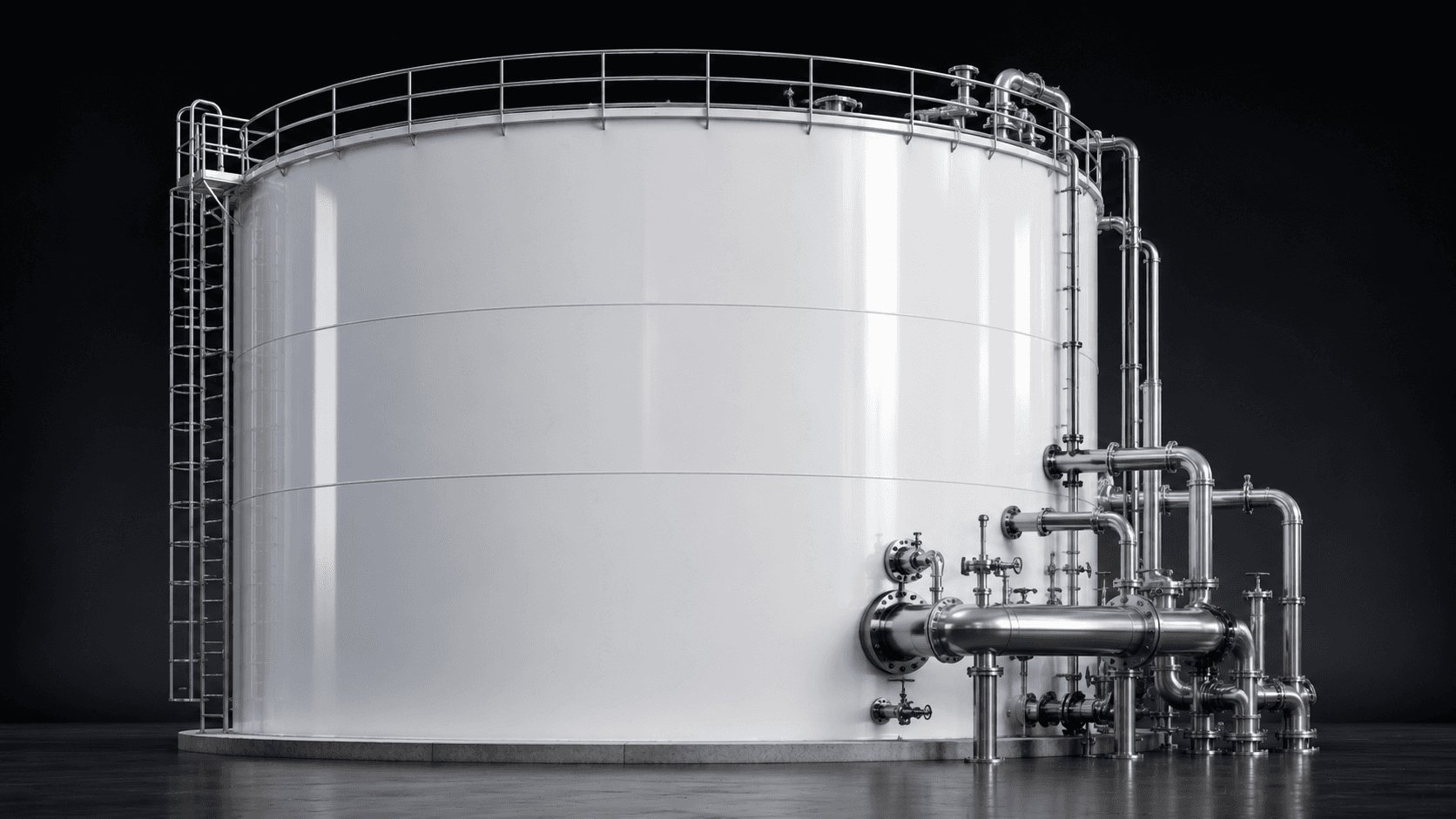
The caustic soda market in Asia may be entering a new phase as Gulf producers gradually regain export access following developments at Bürgenstock. Indian suppliers that benefited from reduced regional competition during the Hormuz disruption now face potential pricing pressure, while buyers across Southeast Asia gain new sourcing opportunities heading into Q3 2026.

Major NGL export terminal expansions along the US Gulf Coast are reshaping global ethane and propane trade flows. Chemical traders should prepare for continued logistics pressure as new export capacity comes online through late 2026.

The 2026 Hormuz crisis has reshaped global chemical competitiveness. As logistics constraints weakened some traditional exporters, other countries have emerged as major beneficiaries. Understanding this new export landscape may be one of the most important sourcing advantages for H2 2026.
Estamos comprometidos com sua privacidade. A Tradeasia usa as informações fornecidas para entrar em contato com você sobre conteúdos, produtos e serviços relevantes. Para mais informações, consulte nossa política de privacidade.