
Citrus Pulp CAS: 94266-47-4
Citrus Pulp CAS: 94266-47-4
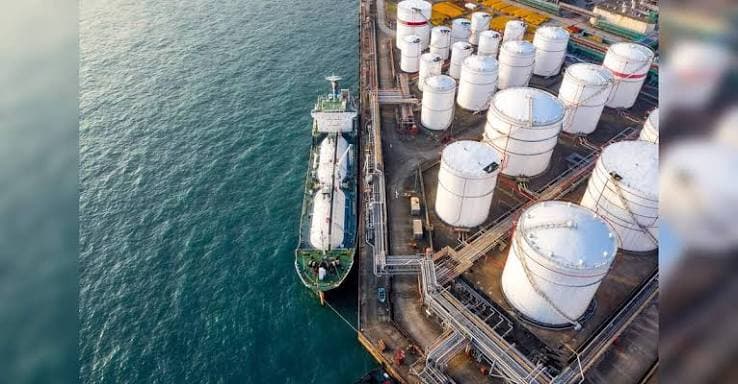
Japan's chemical industry enters H2 2026 after overcoming its most severe naphtha supply disruption in decades. The country's rapid diversification of feedstock sourcing may prove to be the most important long-term outcome of the Hormuz crisis, reshaping procurement strategies well beyond the recovery period.
Chemical supply chains depend on stable trade routes, diplomatic channels and predictable negotiations. The Oman crisis shows how quickly geopolitical decisions can affect sourcing strategies, supplier confidence and procurement planning.
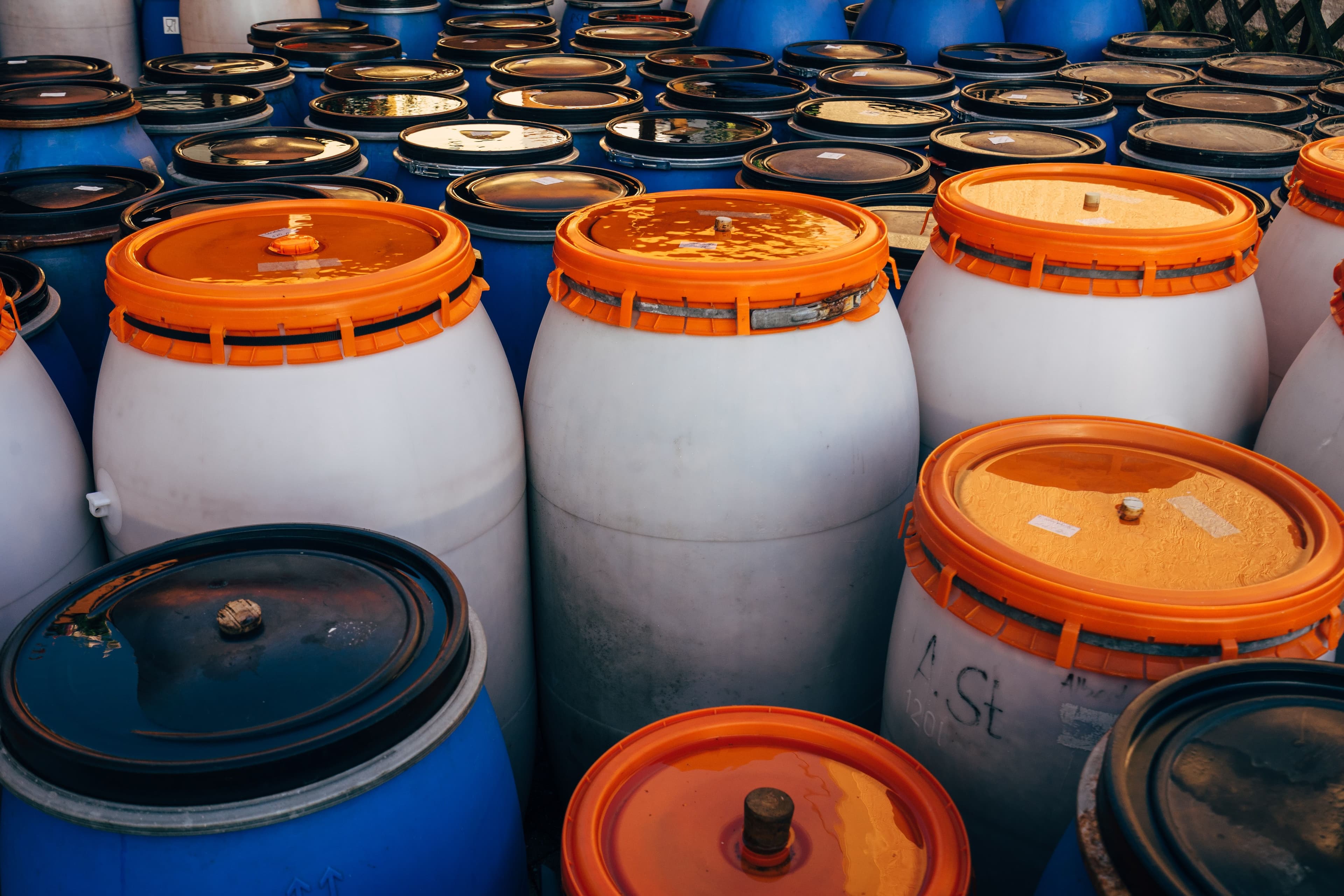
Ethanol and industrial solvent markets enter H2 2026 with changing supply dynamics across Brazil, India and China. Buyers should focus on contract timing, origin selection and duty-related cost changes.

In early 2026 the global chemical market saw a dramatic price spike during the Hormuz crisis, only to reverse course by April even before shipping lanes fully reopened. This article dissects the panic‑driven surge, the factors that triggered the drop, and the procurement intelligence lessons that can help buyers mitigate volatility.

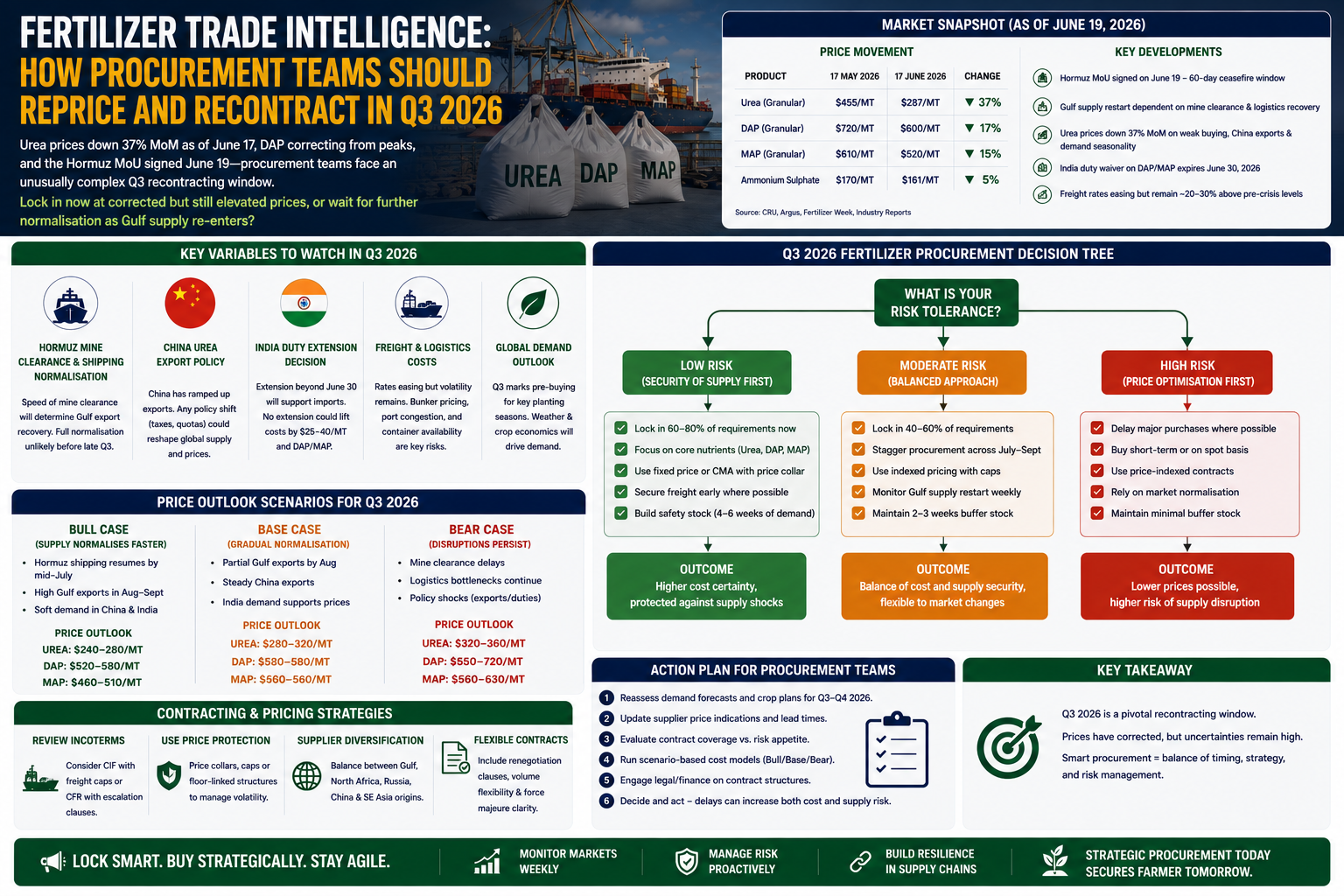
The UN warns 9.1 million more people in Asia could face acute food insecurity if fertilizer supply disruptions continue through July. For agricultural procurement teams, ammonia and urea supply recovery is now an operational priority with direct consequences for global crop production.
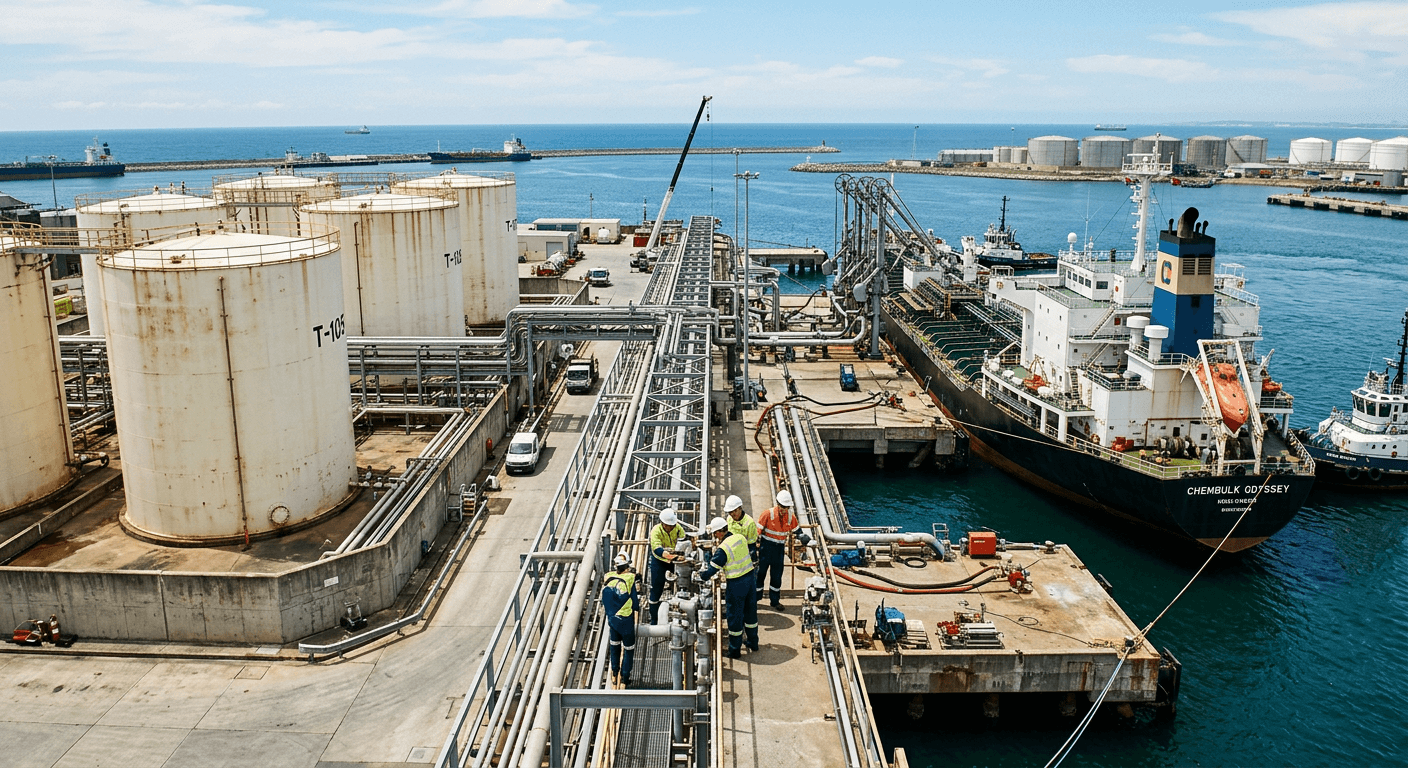
Falling Brent crude prices are reducing shipping cost pressure across global soda ash trade routes. This analysis explains how lower bunker fuel costs could improve contract negotiations for glass, detergent and water treatment buyers.
Estamos comprometidos com sua privacidade. A Tradeasia usa as informações fornecidas para entrar em contato com você sobre conteúdos, produtos e serviços relevantes. Para mais informações, consulte nossa política de privacidade.