
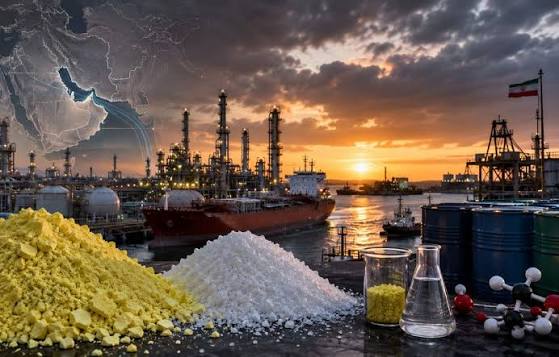
Methanol CAS: 67-56-1
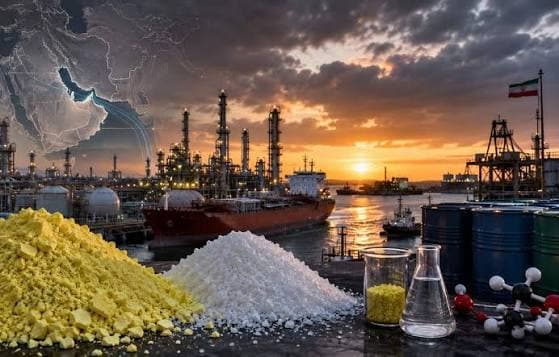
Methanol CAS: 67-56-1
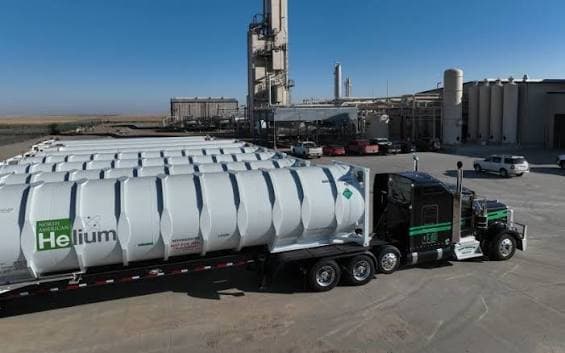
The 2026 Hormuz crisis created one of the most overlooked commodity disruptions in global markets: helium. Damage to Qatar’s Ras Laffan LNG infrastructure reduced helium production capacity, creating a structural supply shortage that may persist for years even as shipping conditions across Hormuz begin improving.
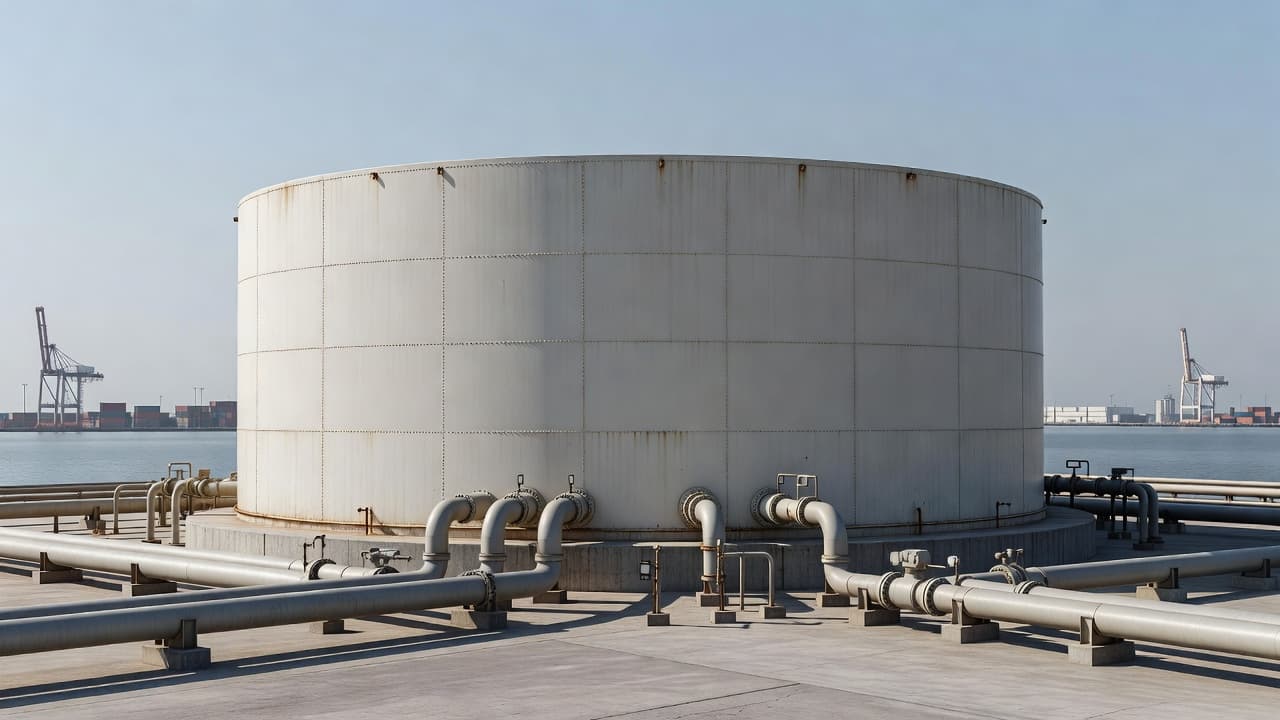
Chemical supply chains depend on stable trade routes, diplomatic channels and predictable negotiations. The Oman crisis shows how quickly geopolitical decisions can affect sourcing strategies, supplier confidence and procurement planning.
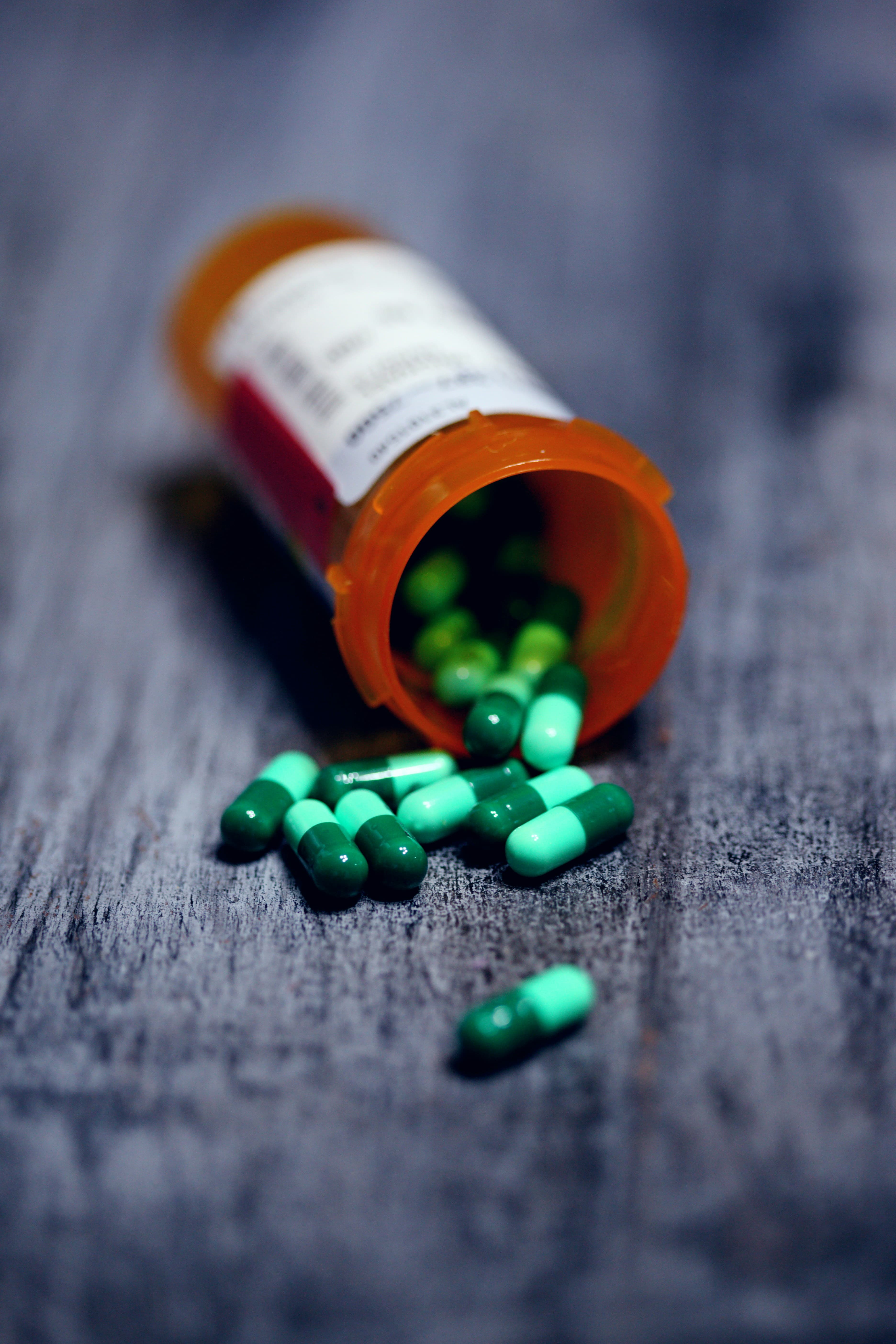
Hospital pharmacies are entering H2 2026 with improving supply conditions after months of inventory pressure. Q3 is expected to become the largest pharmaceutical chemical restocking period since before the Hormuz crisis.
Force majeure declarations triggered by the Hormuz crisis are now entering a structured wind-down phase across chemical supply chains. Procurement and legal teams must formalise documentation to avoid pricing disputes, liability gaps and contract ambiguity in H2 2026.
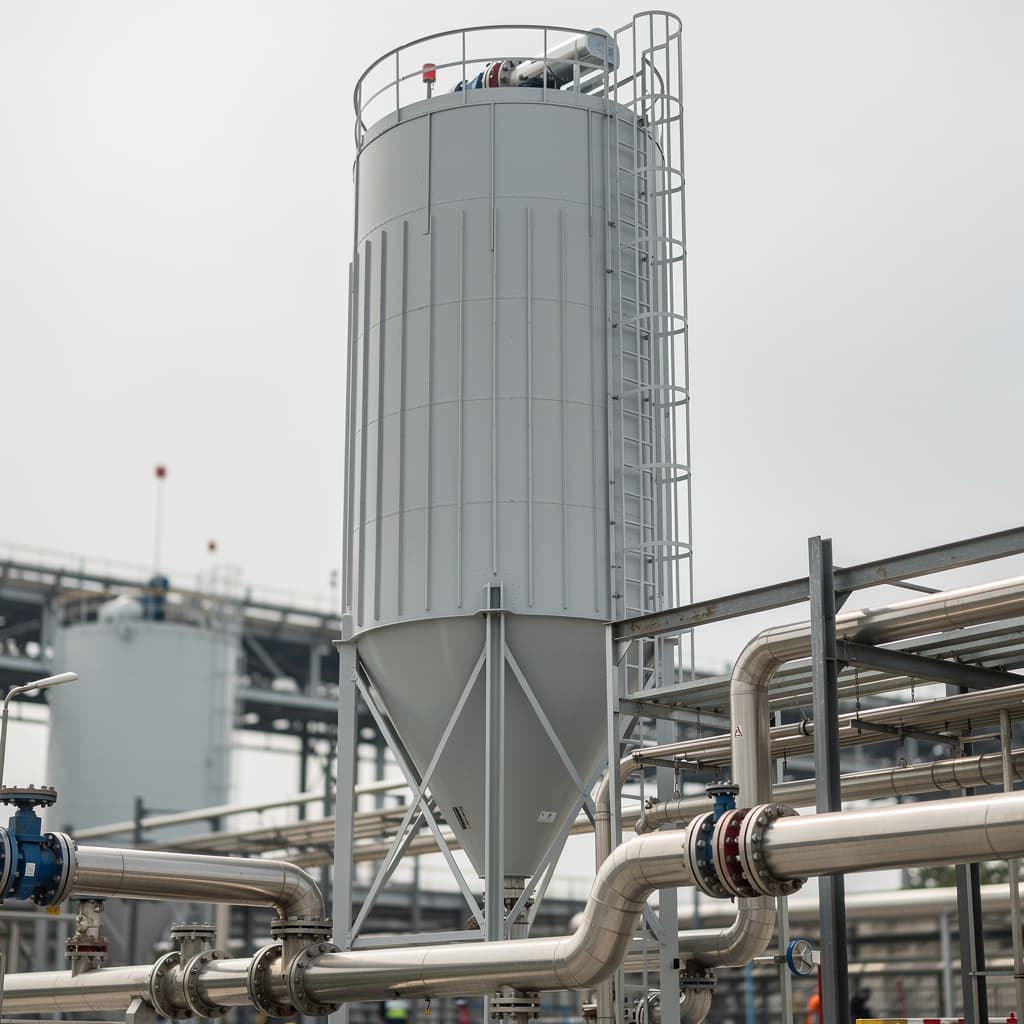
Saudi Arabia’s Ras Tanura restart is improving confidence in Gulf chemical logistics and methanol availability. This analysis explains how recovering supply, crude prices and shipping conditions could influence Q3 methanol procurement strategies.
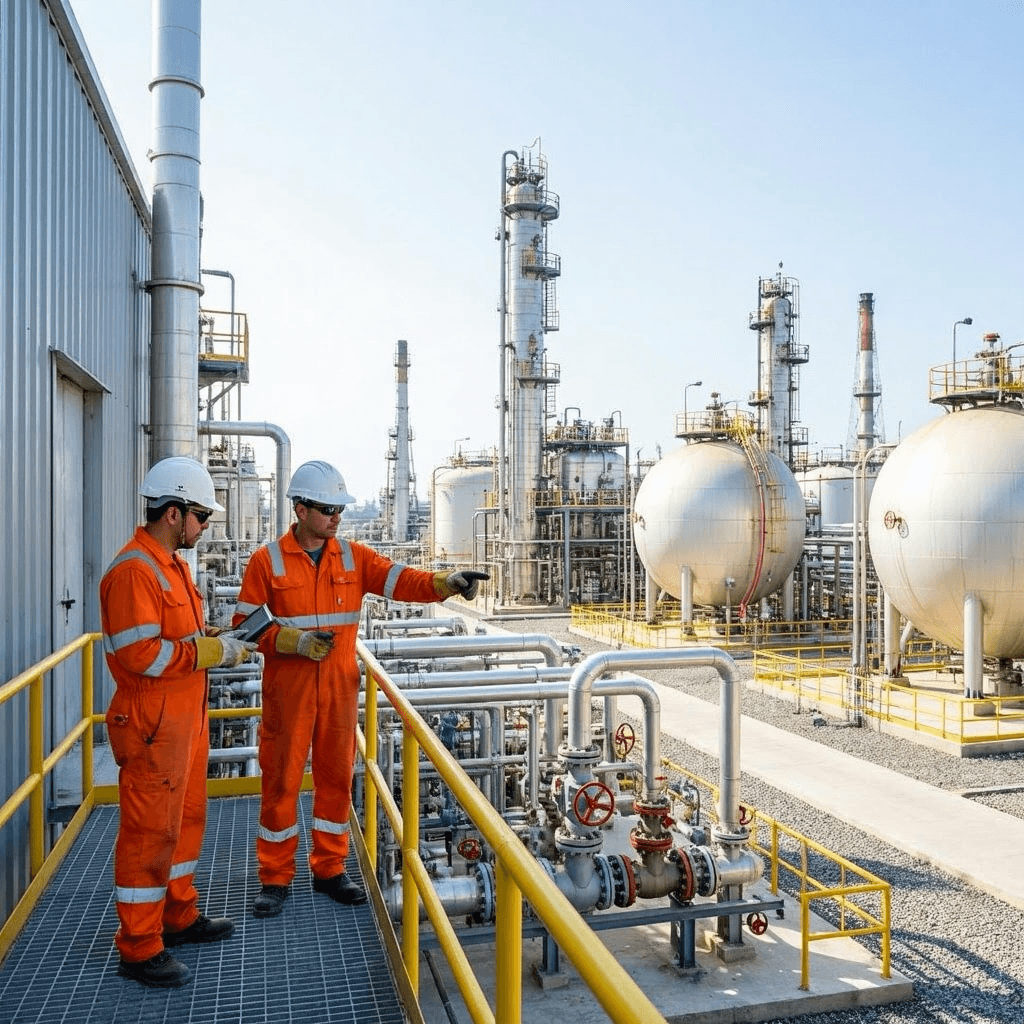
Sulfuric acid buyers face continued supply planning challenges as Hormuz recovery progresses but shipping restrictions remain. This analysis explains the impact on fertilizer, mining and industrial users through Q3 2026.
Estamos comprometidos com sua privacidade. A Tradeasia usa as informações fornecidas para entrar em contato com você sobre conteúdos, produtos e serviços relevantes. Para mais informações, consulte nossa política de privacidade.