
Biotin CAS: 58-85-5

Biotin CAS: 58-85-5
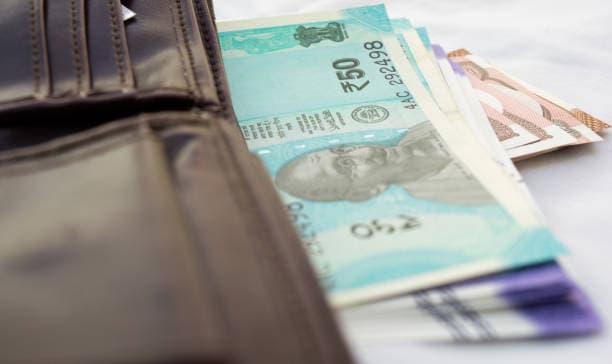
When the rupee weakens, Indian chemical exporters face higher freight costs, altered procurement choices, and shifting trade dynamics. This article explores how currency swings influence logistics, competitiveness, and international shipping strategies, offering insight into adapting to a volatile economic landscape.
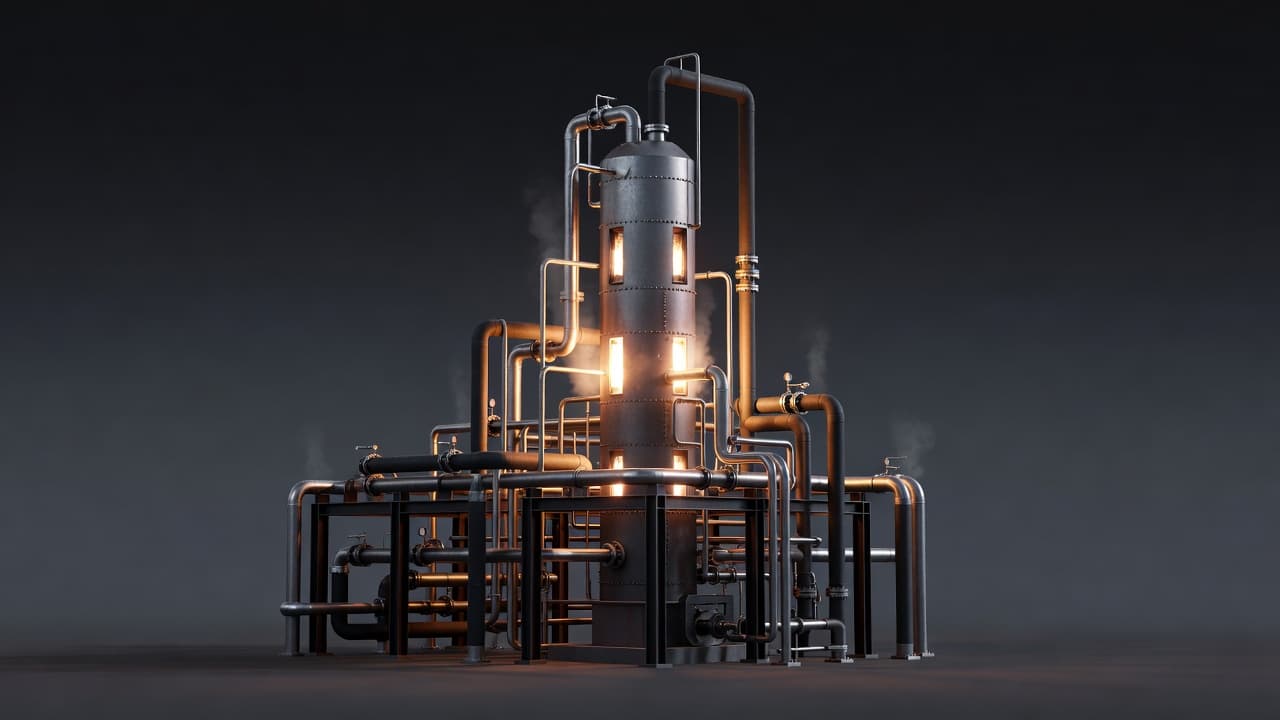
Chinese steam crackers operating near maximum capacity can spread fixed costs across larger output volumes and export surplus petrochemicals into global markets. European crackers averaging around 75% utilization face a widening cost disadvantage that could reshape polymer pricing, regional production and procurement strategies

PVC buyers increasingly face supply chain risks that extend beyond simple price fluctuations. This analysis examines how prolonged disruptions at a major Gulf petrochemical hub could influence global PVC availability, sourcing strategies and procurement decisions over the coming years.
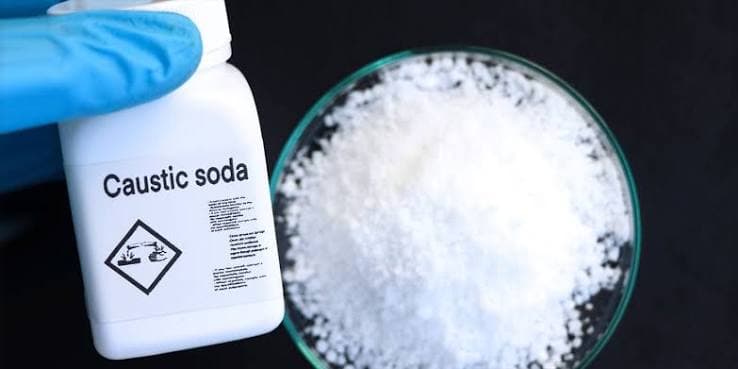
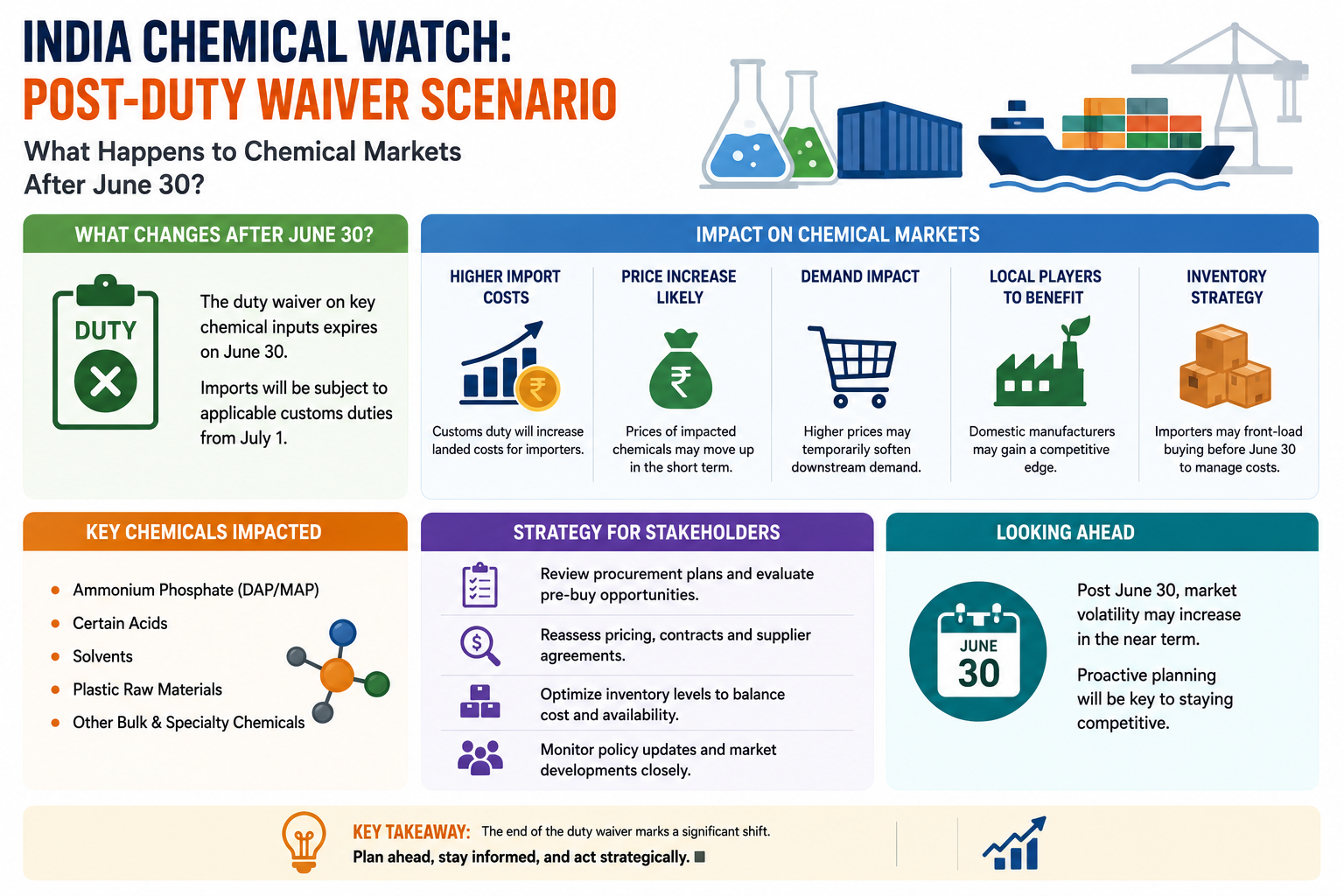
July 2026 is reshaping the chlor-alkali market as Gulf producers begin restoring caustic soda exports while India reinstates import duties after ending its emergency waiver. Procurement teams across Southeast Asia should immediately reassess sourcing strategy as regional supplier competitiveness enters a new phase.
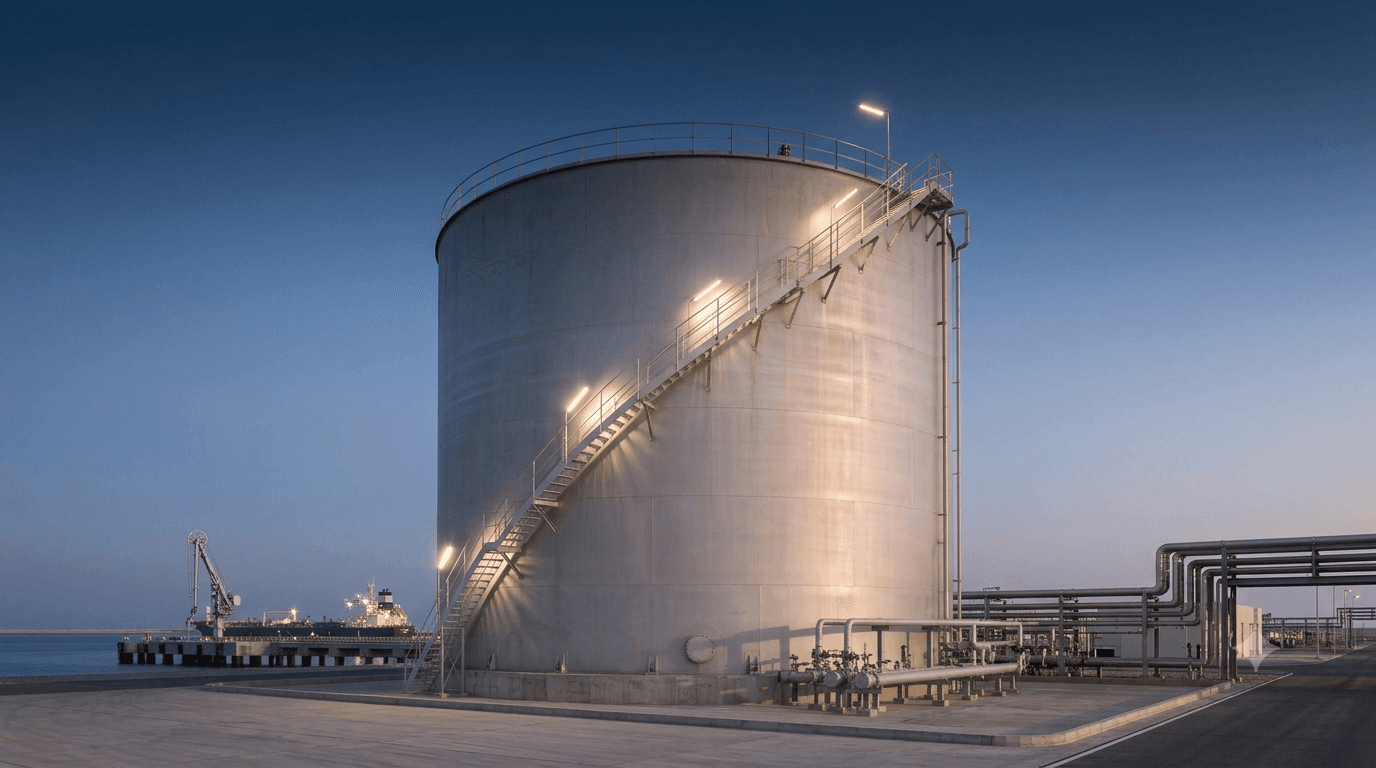
Thailand's emergency fuel export ban highlighted how government intervention can rapidly disrupt downstream chemical supply chains. Procurement teams that rely on Thai petrochemical exports can use this case to strengthen sourcing strategies and reduce exposure to sudden market shocks.

Africa and the Middle East are entering a new phase of chemical trade. Morocco's phosphate leadership, GCC supply recovery, and East Africa's evolving logistics networks are reshaping procurement strategies for H2 2026.
We're committed to your privacy. Tradeasia uses the information you provide to us to contact you about our relevant content, products, and services. For more information, check out our privacy policy.